
uPVC vs Aluminium Windows: Cost, Looks and Lifespan Compared
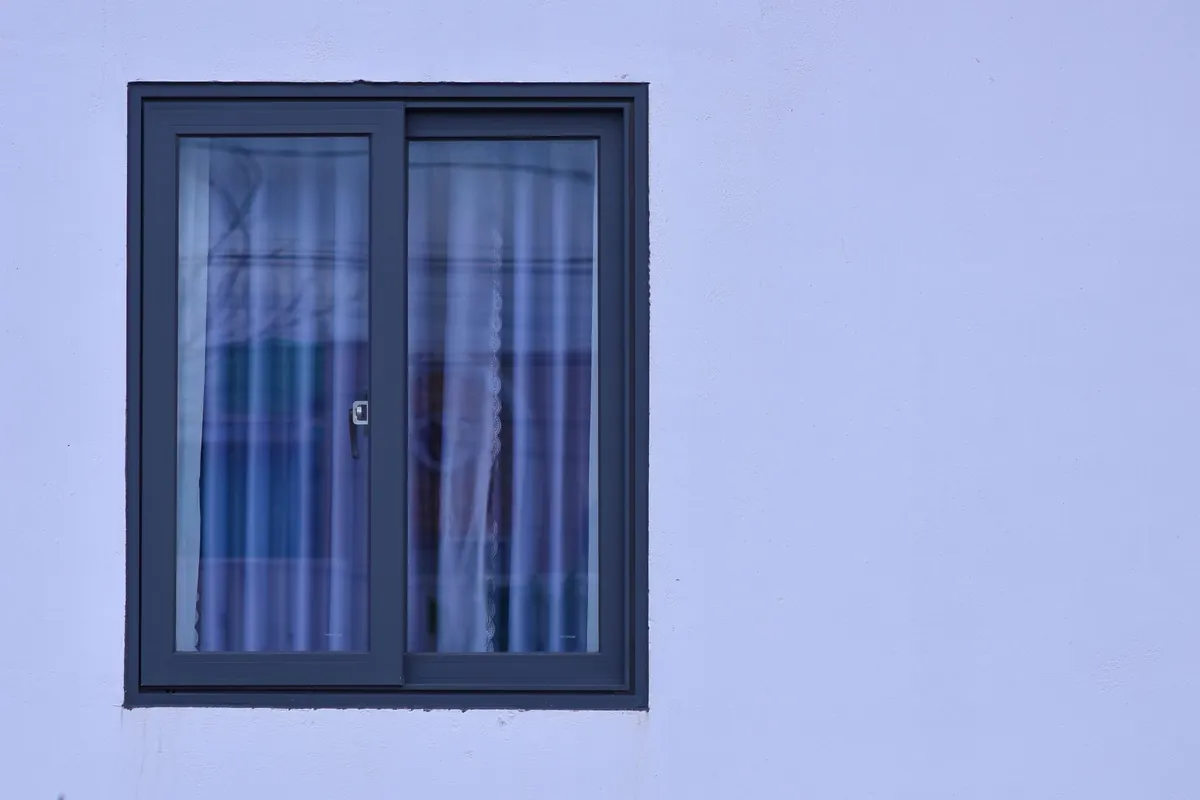
Two quotes land on the kitchen table. One is for white uPVC, one for powder-coated aluminium in a colour chosen to match the front door. The difference is significant per window, and both salespeople say the frames will do the same job. They won't, quite. uPVC and aluminium account for the vast majority of replacement windows fitted in Britain, and they part company on cost, warmth, upkeep and how a house looks from the pavement. Here's what genuinely matters when you choose between them.
What you're actually paying for
uPVC is cheaper to produce. It's extruded into hollow profiles with internal chambers, then cut and welded into frames. The material is inexpensive, the manufacturing is fast, and most fabricators can turn an order around in days. That economy shows up in the quote.
Aluminium costs more because the raw material costs more, the fabrication is slower, and the finish is usually a separate powder-coating process. It almost always comes in higher than uPVC, and the gap widens on large openings and on sliding or bifold doors, where aluminium's strength lets it carry bigger panes with less frame.
But the frame is only part of the price. Before you compare two quotes, check that they cover the same things: glass specification, number of opening vents, handles and locking, removal and disposal of the old frames, making good inside and out, and any access equipment. Two quotes that look wildly different are often quoting different jobs.
Thermal performance: closer than you'd expect
Aluminium conducts heat, so every modern aluminium window uses a thermal break — a non-conductive strip, usually polyamide, separating the inner frame from the outer. uPVC is a poor conductor to begin with, and profiles are built with multiple chambers to trap air.
In practice, both can perform well, and the difference on a typical house comes less from the material than from the glass, the ratio of frame to glass, and the quality of the fitting. Look at the whole-window U-value on the quote rather than the glass alone — lower is better, and it accounts for the frame, the spacer bars and the installation tolerances. Triple glazing is available in both materials, though it's heavy; aluminium handles the extra weight and the deeper frame more comfortably.
Maintenance and how each material ages
Neither needs painting, which is the main reason both replaced timber so thoroughly. The rest depends on where you live and how much attention you give them.
uPVC: wash with warm soapy water and a soft cloth a couple of times a year. Skip cream cleaners and abrasive pads, which dull the surface permanently. White frames on sun-facing elevations can yellow or go chalky over the years; modern foils resist this better than the profiles of twenty years ago, but nothing is immune. Coloured and woodgrain finishes hide grime well.
Aluminium: an occasional wash is usually enough. Powder coating doesn't rust, but chips and scratches are difficult to disguise, and coastal salt air will find any weak point in the finish. Very dark colours show dust and water marks more readily than pale ones.
On both, the moving parts wear before the frames do. An annual ten-minute check pays for itself:
- Wash frames, sills and tracks twice a year with warm soapy water.
- Clear the drainage slots at the bottom of the frame so water can escape.
- Wipe the gaskets and look for perishing, splits or gaps at the corners.
- Oil hinges, handles and locking points sparingly once a year.
- Check that handles still pull the sash tight against the seal; adjust the hinges if not.
- Watch for misting between the panes — that's a failed sealed unit, not a frame fault, and the glass can usually be replaced on its own.
Looks, proportions and kerb appeal
This is where most decisions are really made. uPVC profiles are bulkier and their welded corners are visible, so the frame eats into the glass area. Flush sash uPVC has narrowed the gap considerably, and good woodgrain foils can fool the eye from across the road.
Aluminium is slimmer and stronger, so you get more glass in the same opening. That matters most on large panes, floor-to-ceiling glazing, sliding doors and bifolds, where chunky frames look clumsy. It also takes a powder-coated colour from a wide range, making it straightforward to match a door, guttering or render.
On period properties, neither is timber, and it shows. Slim aluminium can sit comfortably on a Victorian terrace; deep white uPVC less so. Check before you order: conservation areas and listed buildings may restrict materials, and some streets have Article 4 directions that remove permitted development rights. A quick call to the local planning authority saves a costly mistake.
Ask to see a full-size corner sample, not a small swatch. Hold it against the window you're replacing, then stand back on the pavement. A frame that looks fine at arm's length can look very different from the street.
Lifespan: what to expect
A well-made uPVC window should give you twenty to thirty years, with hardware and gaskets replaced along the way. Aluminium frames commonly outlast that, largely because the material doesn't discolour or distort in the same way, though the powder coating may need attention before the frame does.
On both, the sealed glass unit usually fails first. A few things reliably shorten a window's life, whatever it's made of: cheap hinges and handles, installation that leaves gaps or bridges the thermal break, skipped maintenance, and very dark profile colours in full sun, which move more with heat.
Ask what the warranty actually covers and for how long — profile, glass unit, hardware and labour are often treated separately — and whether it transfers if you sell the house.
So which should you choose?
Choose uPVC for standard-sized openings, a tight budget, white or a conventional colour, and a quick turnaround. Choose aluminium if you want slim sightlines, large areas of glass, a specific colour, sliding or bifold doors, or you plan to stay in the house for decades.
Whichever you pick, the installation matters as much as the material. Use an installer registered with a competent person scheme — FENSA in England and Wales, or through your local authority building control — and keep the certificate, because replacement windows must meet Building Regulations on thermal performance and buyers' solicitors will ask for the evidence. Get the specification, glazing U-value and finish confirmed in writing before you sign anything, and agree who makes good the plaster and render afterwards. If planning status is unclear, speak to the local planning authority before you place the order rather than after.
Photo: Sóc Năng Động / Pexels